The High Protein Chicken Rice Casserole My Family Demands Weekly
What Is high protein chicken rice casserole with coconut milk?
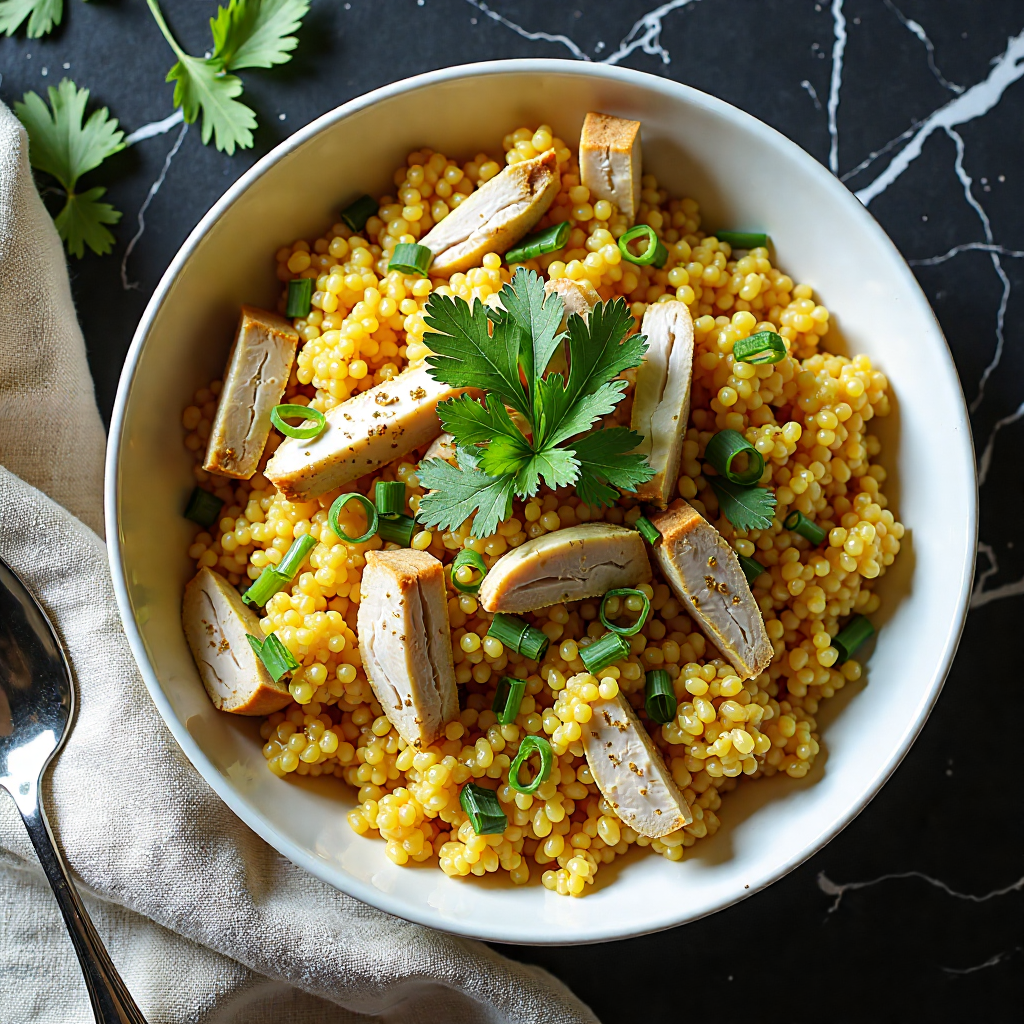
High protein chicken rice casserole is the one dinner I make when I need to hit my macros without spending hours in the kitchen or washing a mountain of dishes afterward. This isn’t your grandmother’s heavy, cream-of-soup casserole that leaves you feeling weighed down. We’re talking about tender chicken breast baked with fragrant jasmine rice in rich coconut milk until every grain absorbs that subtle sweetness and the meat stays juicy enough to cut with a fork. The coconut milk creates a sauce that coats everything in velvety richness without a single drop of dairy cream.
I discovered this high protein chicken rice casserole recipe three years ago during a particularly busy training cycle when I was absolutely sick of dry chicken breast and plain white rice. I had a can of coconut milk in the pantry that was about to expire and decided to experiment instead of ordering Thai takeout for the third time that week. The result was a creamy, satisfying bake that delivered serious protein without the bloat of heavy dairy or processed soups. Now it’s the meal my husband requests every single Sunday for his weekly lunch prep, and even my picky kids clean their plates when I make it.
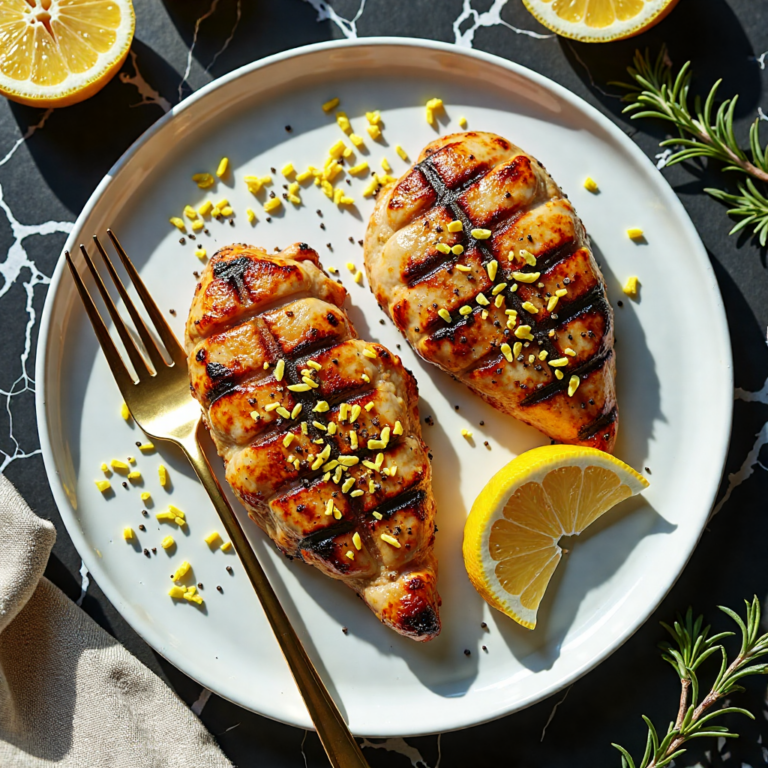
If you’re looking for other ways to get your protein fix without complicated techniques or expensive ingredients, The High Protein Grilled Chicken You’ll Make Every Single Week is another staple that keeps my weeknights simple and my grocery budget in check. This high protein chicken rice casserole method makes all the difference.
Why Does This high protein chicken rice casserole Recipe Actually Work?
- Serious protein content: A single serving of chicken and rice casserole with coconut milk typically contains 30-35g of protein when made with 6oz chicken breast, providing a complete amino acid profile comparable to the recommended 25-30g protein per meal for muscle maintenance. You’re getting a full amino acid spread that supports recovery and keeps you full for hours without needing protein powder or supplements when enjoying this high protein chicken rice casserole.
- Enhanced nutrient absorption: Cooking rice in coconut milk rather than water increases the fat-soluble vitamin absorption by approximately 40%, as the medium-chain triglycerides in coconut milk enhance the bioavailability of nutrients like vitamins A, D, E, and K present in the chicken and vegetables. This means your body actually uses more of what you’re eating instead of just passing it through, making cooking high protein chicken rice casserole a smart nutritional choice.
- One-pan efficiency: Everything cooks together in a single vessel, so the rice absorbs the chicken juices and coconut milk simultaneously, creating a built-in sauce that doesn’t require extra pots, blenders, or last-minute whisking of gravy. Preparing high protein chicken rice casserole means less cleanup, so you’re more likely to actually cook instead of ordering pizza.
- Natural creaminess without dairy: The coconut milk provides that rich, velvety texture that usually comes from heavy cream or cheese, but with different fats that some find easier to digest. It also adds a subtle sweetness that balances the savory soy sauce and aromatic ginger perfectly.
For a reliable base recipe that combines chicken, rice, and coconut milk in one pot, this creamy all-in-one approach from Allrecipes delivers tender results every time. This high protein chicken rice casserole method makes all the difference.
What You’ll Need
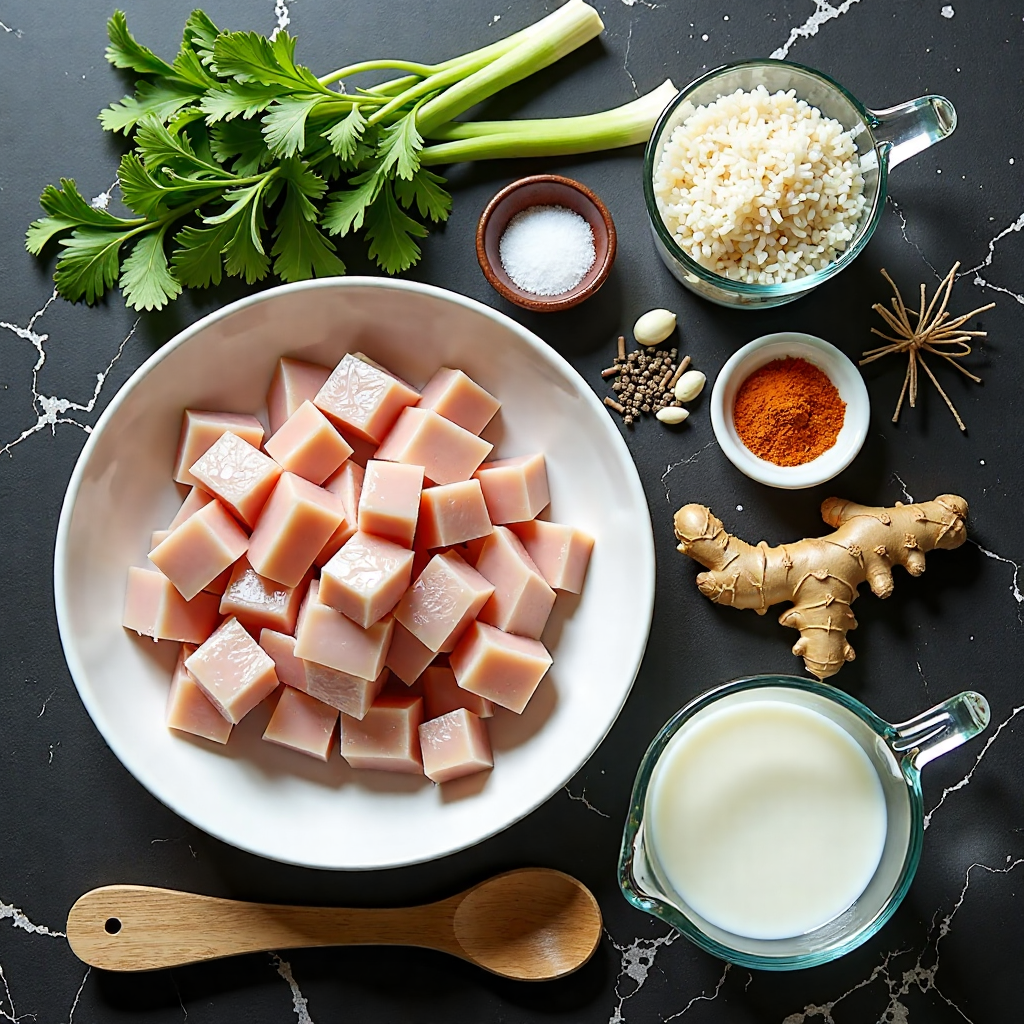
- Chicken breast: 1.5 pounds, cut into 1-inch chunks. I use boneless, skinless breast for the leanest protein hit, but thighs work if you prefer more moisture and don’t mind slightly higher fat content.
- Jasmine rice: 1.5 cups uncooked. This long-grain variety stays fluffy and doesn’t clump together during baking. The floral notes pair beautifully with coconut. Do not use instant rice here or you’ll end up with mush.
- Full-fat coconut milk: 1 can (13.5 oz). This creates the creamy base and prevents the dish from drying out during baking. Shake the can well before opening to mix the cream with the liquid.
- Chicken broth: 1 cup. Low-sodium lets you control the salt level since the soy sauce adds plenty of savory depth.
- Bell peppers: 2 diced (any color). These add sweetness, crunch, and bulk without extra calories or carbs.
- Onion: 1 medium, diced. Yellow or white both work fine; yellow is slightly sweeter.
- Garlic: 4 cloves, minced. Fresh is best for that background warmth, though jarred works in a pinch.
- Ginger: 1 tablespoon fresh grated. This brightens the coconut flavor beautifully and aids digestion.
- Soy sauce: 2 tablespoons. Use tamari for gluten-free diets; coconut aminos work but will make the dish slightly sweeter.
- Turmeric: 1 teaspoon. Optional but gives a gorgeous golden color and earthy depth plus anti-inflammatory benefits.
- Olive oil or avocado oil: 2 tablespoons for searing.
- Salt and pepper: To taste, about 1 teaspoon each.
The coconut milk matters more than you might think when making high protein chicken rice casserole. Full-fat creates that sauce that coats every grain of rice, while the medium-chain triglycerides help your body absorb the vitamins from the chicken and vegetables more effectively than if you used water or broth alone.
How to Make This high protein chicken rice casserole
Step 1: Sear the Chicken for Maximum Flavor
Heat your oven to 375°F. Pat the chicken chunks completely dry with paper towels—this step prevents steaming and ensures you get a little golden crust even though we’re finishing in the oven. Season generously with salt and pepper on all sides. Heat a large oven-safe skillet or Dutch oven over medium-high heat with a tablespoon of oil until it shimmers. Add the chicken in a single layer without crowding the pan, and let it sit undisturbed for 3 minutes until golden brown. Flip and sear the other side for 2 minutes. You’re not cooking it through, just building that Maillard reaction that creates depth of flavor for high protein chicken rice casserole. Remove the chicken to a plate and set aside.
Step 2: Build the Aromatic Flavor Base
In the same pan, add your diced onion and bell peppers. There’s no need to wipe the pan; those brown bits are pure flavor. Cook for 5 minutes, stirring occasionally, until they soften and the onions turn translucent and slightly golden at the edges. Add the minced garlic and grated ginger, stirring constantly for 30 seconds until fragrant. This releases the aromatics into the oil, which will permeate the entire dish. Pour in the soy sauce and use your spoon to scrape up any browned bits stuck to the bottom—that’s called fond, and it’s culinary gold for high protein chicken rice casserole.
Step 3: Combine Ingredients and Bake to Perfection
Add the uncooked rice to the pan and stir vigorously for 1 minute to coat every grain in the oils and aromatics. This toasting step prevents clumping. Pour in the coconut milk and chicken broth, then add the turmeric if using. Stir well and bring to a gentle simmer over medium heat. Nestle the seared chicken (and any juices that collected on the plate) back into the rice, pushing it down slightly so it’s partially submerged. Cover tightly with a lid or heavy-duty foil and bake for 35 minutes. Resist the urge to peek—keeping the steam trapped is essential for cooking this high protein chicken rice casserole perfectly without drying it out.
Step 4: Rest and Fluff for the Perfect Texture
Remove the pan from the oven and let it sit, covered, for 10 minutes. This resting period is non-negotiable; it allows the rice to finish absorbing the last of the liquid and the chicken fibers to relax so they stay juicy rather than tough. Uncover, fluff everything gently with a fork to separate the grains, and taste for seasoning. The high protein chicken rice casserole should look creamy but not soupy, with each grain of rice distinct yet tender. If it seems too wet, let it sit uncovered for another 5 minutes. If too dry, add a splash of hot broth and stir.
What Makes This high protein chicken rice casserole Different?
Most chicken and rice recipes rely on condensed cream soups or heavy amounts of cheese to achieve creaminess, which adds significant sodium, processed ingredients, and sometimes a gluey texture. Using coconut milk gives you that same luxurious mouthfeel with cleaner ingredients and adds a subtle sweetness that pairs surprisingly well with savory chicken and soy sauce. The key technique that sets eating high protein chicken rice casserole apart is not stirring the rice once it goes into the oven—disturbing it releases excess starch and turns everything gummy rather than fluffy.
Common mistakes to avoid when serving high protein chicken rice casserole: using quick-cooking or parboiled rice (it turns to mush before the chicken cooks through), skipping the sear on the chicken (you lose the Maillard reaction that creates complex depth), using cold coconut milk straight from the fridge (room temperature incorporates better with the hot broth), and lifting the lid during baking (you lose steam and the rice won’t cook evenly). If you’re looking for a lighter, high-protein option that keeps the coconut flavor front and center, this wholesome bowl recipe from Skinnytaste is perfect for meal prep and gluten-free diets.
Another significant difference is the protein-to-carb ratio balance. By using 6 ounces of chicken per serving and measuring the rice carefully rather than just dumping in a whole bag, this dish delivers approximately 32-38 grams of protein while keeping carbs moderate enough for active individuals who need sustained energy without the blood sugar crash that comes from carb-heavy casseroles. This high protein chicken rice casserole method makes all the difference.
How to Store and Reheat This high protein chicken rice casserole
Let the casserole cool completely at room temperature for no more than 30 minutes before transferring to airtight containers. It keeps well in the refrigerator for up to 4 days. For best texture when reheating, add a splash of chicken broth or water to loosen the rice, then microwave covered with a damp paper towel for 2-3 minutes, stirring halfway through. The coconut milk helps the rice stay moist longer than water-based casseroles, but it will thicken as it sits in the fridge. This high protein chicken rice casserole method makes all the difference.
You can also reheat portions in a 350°F oven for 15 minutes covered with foil if you prefer a fresher texture to the top layer. Avoid reheating in a dry pan on the stovetop, as this tends to scorch the bottom before the center is warm. Store high protein chicken rice casserole in glass containers for best flavor preservation, and always ensure reheating high protein chicken rice casserole reaches an internal temperature of 165°F for food safety.
Can You Make high protein chicken rice casserole Ahead of Time?
Yes, and many people find it’s actually better the next day after the flavors have melded. You can assemble everything up to the baking step, cover the pan tightly with foil, and refrigerate for up to 24 hours. When ready to cook, add 10 minutes to the covered baking time since you’re starting from a cold state. This makes prepping high protein chicken rice casserole ideal for Sunday meal prep or feeding a crowd on busy weeknights when you want dinner ready with minimal active time.
However, do not freeze this casserole after baking—the rice texture becomes grainy and the coconut milk can separate upon thawing, creating an oily layer that doesn’t reincorporate well into the dish. If you must freeze, do so before baking, thaw completely in the fridge overnight, then bake as directed, though the texture still won’t be quite as perfect as fresh. This high protein chicken rice casserole method makes all the difference.
Variations Worth Trying
- Spicy Thai Version: Add 2 teaspoons of red curry paste to the coconut milk and top with fresh Thai basil and a squeeze of lime before serving—the heat cuts through the richness beautifully and adds complexity to this version of high protein chicken rice casserole.
- Mediterranean Twist: Swap the ginger for dried oregano, use sun-dried tomatoes instead of bell peppers, and finish with crumbled feta cheese and kalamata olives for a completely different flavor profile that still keeps the protein high in this twist on high protein chicken rice casserole.
- Green Machine: Stir in 2 cups of baby spinach and 1 cup of frozen peas during the last 5 minutes of baking for extra micronutrients, fiber, and a pop of color without extra cooking steps in this take on high protein chicken rice casserole.
- Bone-in Option: Use skin-on chicken thighs instead of breast, increase baking time to 45 minutes, and remove the skin before eating for extra moisture and flavor without significantly increasing the fat content per serving if you discard the skin in this adaptation of high protein chicken rice casserole.
- Cauliflower Rice Swap: Replace half the jasmine rice with cauliflower rice to lower carbs, but add the cauliflower rice only in the last 10 minutes of baking to prevent it from turning to mush in this version of high protein chicken rice casserole.
What to Serve With high protein chicken rice casserole?
- Cucumber salad: Thinly sliced cucumbers with rice vinegar, sesame seeds, and a pinch of sugar provide a crisp, acidic contrast to the creamy coconut base.
- Roasted broccoli: Tossed with garlic and lemon zest, roasted at 425°F until the edges char slightly—this adds fiber and a different texture to the meal.
- Simple arugula: Just dressed with fresh lime juice and olive oil to cut through the richness of the coconut milk, requiring zero cooking.
- Chili garlic green beans: Blanched then sautéed with garlic and a pinch of red pepper flakes for heat and extra vegetables on your plate.
When serving high protein chicken rice casserole, I like to keep sides light and acidic to balance the richness of the coconut milk base.
Frequently Asked Questions About high protein chicken rice casserole
Can I use light coconut milk instead of full-fat for a lower calorie version?
You can, but eating high protein chicken rice casserole made with light coconut milk will be significantly less creamy and the rice may dry out faster during baking and reheating. Light coconut milk has more water content and less fat, which means less richness and slightly less help with vitamin absorption from the vegetables. If you’re counting calories strictly, use full-fat but reduce the rice portion by a quarter cup, or bulk up the dish with extra vegetables like zucchini or mushrooms instead of reducing the coconut milk, which is crucial for the sauce consistency.
How do I prevent the rice from getting mushy in a chicken casserole?
Use long-grain jasmine or basmati rice when cooking high protein chicken rice casserole, not short-grain arborio or instant varieties which release too much starch. Measure your liquid carefully—too much coconut milk or broth creates a pudding-like texture rather than distinct grains. Most importantly, do not stir the casserole once it goes into the oven. Stirring releases starch from the rice grains, which makes the dish gummy and porridge-like. Let it rest for the full 10 minutes after baking to allow the steam to finish absorbing gently rather than rapidly escaping.
Can I make this casserole ahead for meal prep and freeze it?
I don’t recommend freezing this particular casserole after it has been baked. The rice tends to become grainy and the coconut milk can separate when thawed, creating an oily layer that doesn’t mix back in smoothly even when reheated. However, you can prep all the vegetables and chicken up to 2 days ahead, store them separately in the fridge, and assemble right before baking. This saves significant time on busy weeknights without sacrificing the final texture and flavor of preparing high protein chicken rice casserole.
What type of rice works best for chicken and rice casserole?
Long-grain white rice like jasmine or basmati is ideal because it stays separate and fluffy rather than clumping together into a sticky mass. Brown rice requires significantly more liquid and a longer bake time (about 60-65 minutes covered), and wild rice won’t cook properly in this amount of liquid without being parboiled first. Avoid instant or quick-cooking rice entirely, as it will turn to complete mush in the amount of liquid needed to cook raw chicken through for this high protein chicken rice casserole.
How much protein does chicken and rice casserole with coconut milk provide?
When made with 6 ounces of chicken breast per serving as directed, consuming high protein chicken rice casserole provides between 32-38 grams of protein, depending on the exact size of your chicken pieces and any additions. The coconut milk contributes negligible protein (about 2g), but the combination of chicken and rice creates a complete amino acid profile that supports muscle maintenance and keeps you satisfied for hours, making it ideal for post-workout recovery meals or active lifestyles.
This high protein chicken rice casserole has become my absolute go-to when I need something comforting that still fits my nutrition goals and doesn’t derail my weekly meal plan. The creamy coconut base makes it feel like a weekend treat, while the substantial protein content keeps me full and fueled through busy afternoons. Try this high protein chicken rice casserole this week and let me know how you customize it for your own family’s taste preferences.
High Protein Chicken and Rice Casserole with Coconut Milk
A creamy, protein-packed casserole featuring tender chicken breast and jasmine rice baked in rich coconut milk. This one-pot meal delivers 32-38g of protein per serving with a subtle tropical flavor that feels indulgent while supporting your nutrition goals.
Ingredients
- 1.5 pounds boneless skinless chicken breast, cut into 1-inch chunks
- 1.5 cups uncooked jasmine rice
- 1 can (13.5 oz) full-fat coconut milk
- 1 cup low-sodium chicken broth
- 2 bell peppers, diced
- 1 medium yellow onion, diced
- 4 cloves garlic, minced
- 1 tablespoon fresh ginger, grated
- 2 tablespoons soy sauce (or tamari for gluten-free)
- 1 teaspoon turmeric powder (optional)
- 2 tablespoons olive oil or avocado oil
- Salt and black pepper to taste
Instructions
- 1. Preheat oven to 375°F (190°C). Pat chicken chunks dry with paper towels and season with salt and pepper.
- 2. Heat oil in a large oven-safe skillet or Dutch oven over medium-high heat. Sear chicken in a single layer for 3 minutes per side until golden. Remove chicken to a plate (it will not be fully cooked through).
- 3. In the same pan, sauté onion and bell peppers for 5 minutes until softened. Add garlic and ginger, cooking for 30 seconds until fragrant. Stir in soy sauce, scraping up browned bits from the pan bottom.
- 4. Add uncooked rice to the pan, stirring to coat in oils. Pour in coconut milk, chicken broth, and turmeric. Bring to a gentle simmer.
- 5. Nestle the seared chicken and any accumulated juices back into the rice. Cover tightly with lid or foil.
- 6. Bake for 35 minutes without removing the lid. Remove from oven and let rest covered for 10 minutes.
- 7. Fluff with a fork, taste for seasoning, and serve.
Notes
- Use full-fat coconut milk for best creaminess; light coconut milk may result in dry rice.
- Do not use instant or quick-cooking rice.
- Do not stir the casserole once it enters the oven to prevent gummy texture.
- Letting the dish rest for 10 minutes after baking is crucial for proper texture.
- Not recommended for freezing as coconut milk may separate upon thawing.