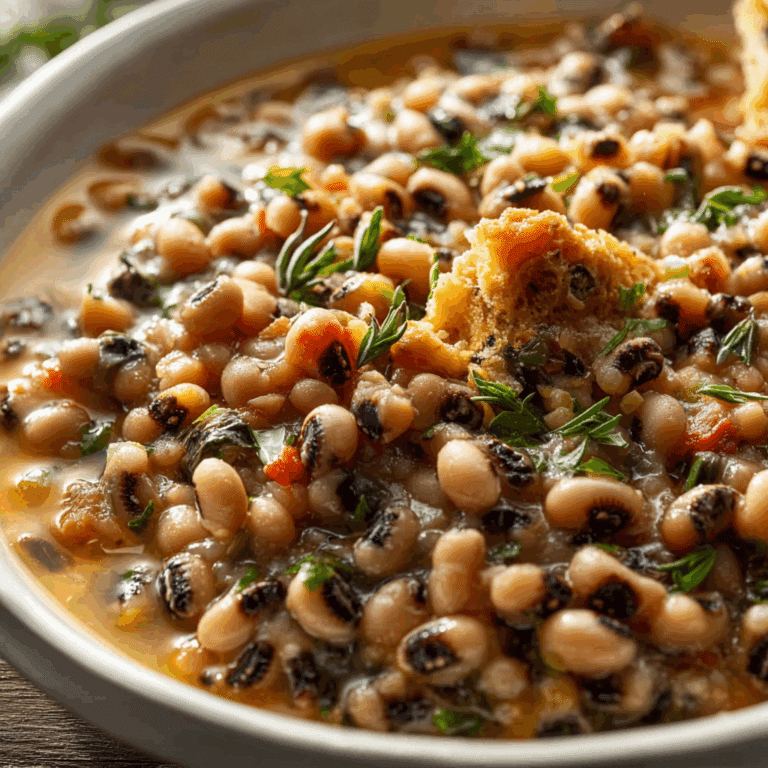
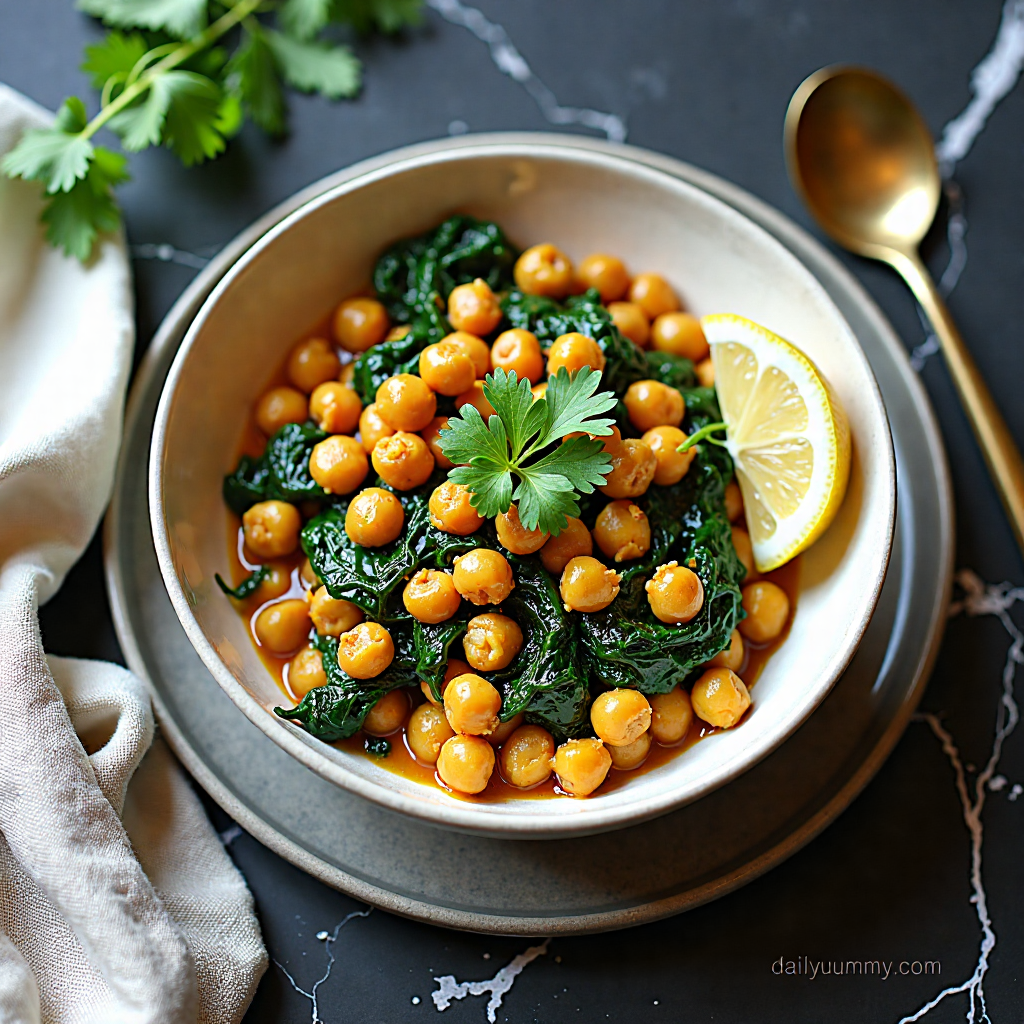
The High Protein Chickpea Curry You’ll Make Every Single Week
What Is high protein chickpea and spinach curry with almond flour?
This high protein chickpea curry changed my weeknight dinner game the moment I stopped relying on coconut milk alone to thicken the sauce. I was looking for a way to add more protein to my plant-based meals without dumping in expensive powders or complicated ingredient lists. What I discovered was that swirling almond flour into the pot creates a creamy, nutty base that sticks to every chickpea and coats the spinach in a way that feels rich but still light.
I started making this after getting hooked on The High Protein Lentil Curry Soup You’ll Make Every Single Week. I wanted something similar—hearty, satisfying, and heavy on the protein—but with a different texture and faster cook time. This curry delivers exactly that. It comes together in 35 minutes, uses mostly pantry staples, and packs enough protein to keep me full through evening walks and late-night work sessions without any meat on the plate. This high protein chickpea curry method makes all the difference.
Why Does This high protein chickpea curry Recipe Actually Work?
The magic here isn’t just about dumping ingredients into a pot. It’s about how the protein sources work together to create a complete meal that actually satisfies. This high protein chickpea curry method makes all the difference.
- Double protein power: One cup of cooked chickpeas provides approximately 15 grams of protein and 12.5 grams of dietary fiber, while two tablespoons of almond flour adds 3 grams of protein, making this curry a complete plant-based protein source at roughly 18-20g protein per serving.
- The almond flour technique: Adding almond flour to curry creates a nutty, roux-like thickening effect similar to traditional Indian cashew paste, but with higher protein content and lower calories—whisking it into warm (not hot) sauce prevents clumping and ensures a smooth, restaurant-quality consistency.
- Iron absorption boost: The vitamin C from tomatoes and lemon juice helps your body absorb the non-heme iron from both the chickpeas and spinach, making this more than just tasty—it’s strategic nutrition.
- Satiety that lasts: The combination of fiber from chickpeas, protein from almond flour, and healthy fats keeps blood sugar stable, which means no 9 PM snack raid.
- Budget-friendly luxury: Using almond flour as a thickener costs less than buying cans of coconut milk every week, and it stores forever in your pantry.
If you’re looking for a well-tested approach to building chickpea curries with nut-based thickeners, this chickpea, coconut, and cashew curry recipe from Serious Eats demonstrates the technique of using ground nuts for creaminess and body that’s similar to using almond flour in your sauce. This high protein chickpea curry method makes all the difference.
What You’ll Need
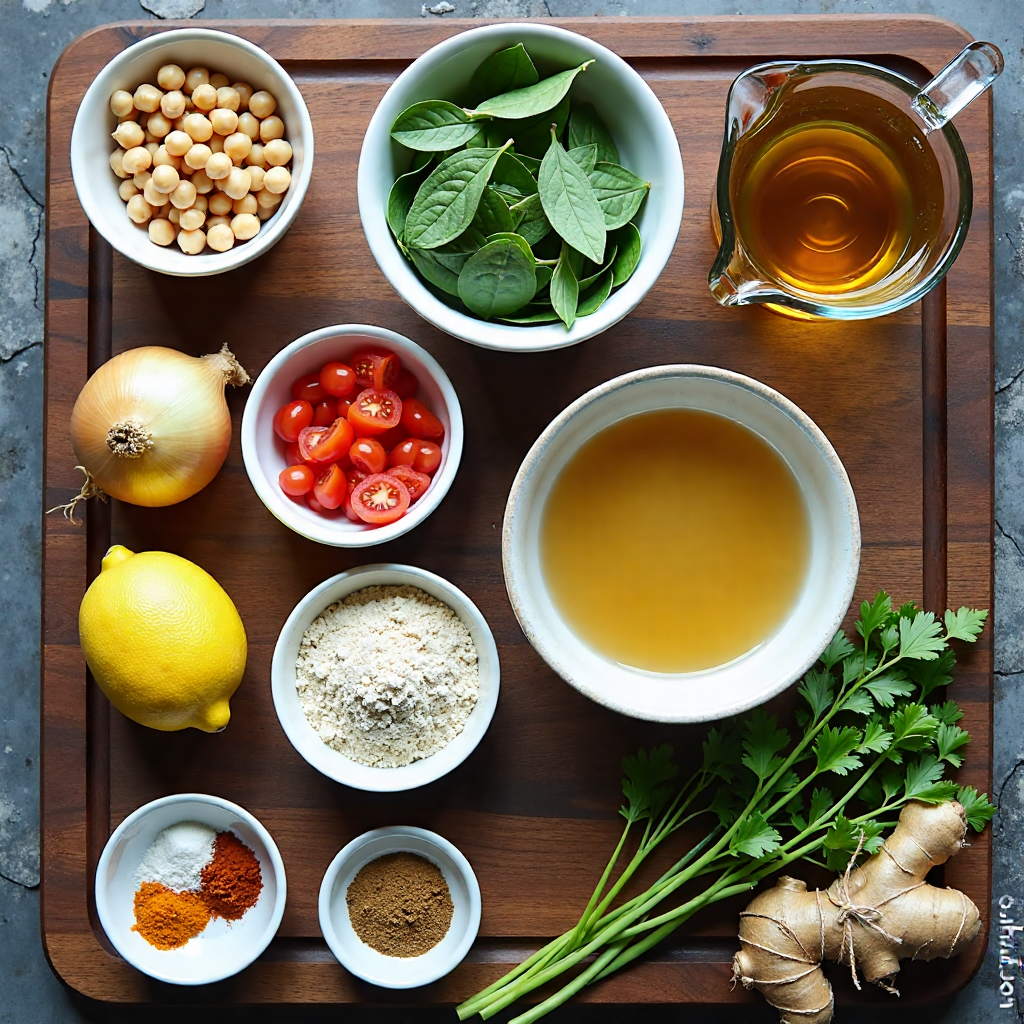
- Chickpeas: 2 cans (15 oz each), drained and rinsed. These provide the bulk and that creamy interior that makes curry feel substantial.
- Almond flour: 3 tablespoons. This is your secret weapon for both thickening and adding 3 extra grams of protein per serving.
- Fresh spinach: 5 cups packed. It wilts down to almost nothing but adds color, minerals, and that silky texture.
- Onion: 1 large, diced. Creates the sweet base layer.
- Garlic: 4 cloves, minced. Non-negotiable for depth.
- Ginger: 1 tablespoon fresh, grated. Brings heat and brightness.
- Tomato paste: 2 tablespoons. Concentrated umami.
- Diced tomatoes: 1 can (14.5 oz). The acid helps tenderize the chickpeas and balances the nuttiness.
- Vegetable broth: 1 cup. Low sodium so you control the salt.
- Curry powder: 2 tablespoons. Use your favorite blend.
- Garam masala: 1 teaspoon. Added at the end for perfume.
- Turmeric: 1 teaspoon. Color and anti-inflammatory benefits.
- Cayenne pepper: ¼ teaspoon (optional). For heat.
- Olive oil: 2 tablespoons. For sautéing.
- Lemon juice: 1 tablespoon. Fresh only—bottled tastes flat.
- Salt and black pepper: To taste.
The almond flour matters more than you think. Unlike wheat flour, it doesn’t create a gluey texture, and unlike cornstarch, it adds actual nutritional value to your high protein chickpea curry instead of just empty starch.
How to Make high protein chickpea and spinach curry with almond flour
Step 1: Build Your Flavor Base
Heat the olive oil in a large Dutch oven or heavy pot over medium heat. Add the diced onion with a pinch of salt and cook for 6-7 minutes, stirring occasionally, until the edges turn golden and the pieces soften completely. You want them translucent and sweet, not browned and crispy. This slow start creates the foundation that makes everything else taste deeper and more complex. This high protein chickpea curry method makes all the difference.
Step 2: Bloom Your Spices
Add the minced garlic, grated ginger, tomato paste, curry powder, turmeric, and cayenne if using. Stir constantly for 60 seconds until the mixture looks like a thick, fragrant paste and your kitchen smells like a spice market. Toasting the spices in oil wakes up their essential oils and removes any raw, dusty flavor that would otherwise make your high protein chickpea curry taste flat.
Step 3: Create the Sauce Body
Pour in the diced tomatoes and vegetable broth, scraping up any browned bits from the bottom of the pot with your spoon. Bring this to a gentle simmer, then reduce the heat to low. Here is the critical part: take a ladle of the warm (not boiling) liquid and transfer it to a small bowl. Whisk in the almond flour until completely smooth, creating a slurry with no lumps. Slowly pour this mixture back into the pot while stirring constantly. Adding almond flour to curry creates a nutty, roux-like thickening effect similar to traditional Indian cashew paste, but with higher protein content and lower calories—whisking it into warm (not hot) sauce prevents clumping and ensures a smooth, restaurant-quality consistency. This high protein chickpea curry method makes all the difference.
Step 4: Simmer the Chickpeas
Add the drained chickpeas to the pot and stir to coat them completely in the thickened sauce. Cover and let everything simmer gently for 15 minutes, stirring once halfway through. This gives the chickpeas time to absorb the flavors and warm through without turning to mush. The sauce should cling to the chickpeas rather than pool at the bottom of the bowl. This high protein chickpea curry method makes all the difference.
Step 5: Finish with Spinach and Seasoning
Remove the lid and add the fresh spinach in handfuls, stirring until each batch wilts before adding the next. Once all the spinach has collapsed into the sauce, stir in the garam masala and lemon juice. Taste and adjust salt. The spinach only needs 2-3 minutes to cook down—it should be tender but still bright green, not the gray, overcooked mess that makes people think they hate leafy greens in curry. This high protein chickpea curry method makes all the difference.
What Makes This high protein chickpea curry Different?
Most home cooks mess up chickpea curry in three specific ways that this recipe avoids entirely. This high protein chickpea curry method makes all the difference.
First, they dump almond flour or other thickeners directly into hot liquid, creating unpleasant rubbery clumps that never smooth out. The tempering technique—mixing the flour with warm liquid first—solves this completely. This high protein chickpea curry method makes all the difference.
Second, they overcook the spinach until it disappears, losing both texture and nutrients. Adding it at the very end preserves its integrity. This high protein chickpea curry method makes all the difference.
Third, they rely only on chickpeas for protein and forget that curry sauce itself can contribute to your macros. By fortifying the sauce with almond flour, every bite contains protein, not just the chickpeas. This high protein chickpea curry method makes all the difference.
For a trusted reference on cooking chickpeas and spinach together, this braised coconut spinach and chickpeas recipe from The Kitchn shows how leafy greens integrate beautifully with legumes and thickened sauces for a satisfying one-pot meal. This high protein chickpea curry method makes all the difference.
How to Store and Reheat
This high protein chickpea curry stores better than most because the almond flour prevents the sauce from breaking or separating in the fridge. Transfer cooled portions to airtight glass containers with tight-fitting lids. Refrigerate for up to 5 days. The flavors actually improve after 24 hours as the spices meld together.
To reheat, add a splash of water or broth to loosen the sauce, then microwave on medium power for 2-3 minutes, stirring halfway through. Alternatively, warm gently in a saucepan over medium-low heat for 5-7 minutes until bubbling. Avoid high heat, which can make the almond flour separate and create an oily sheen on top of the curry. This high protein chickpea curry method makes all the difference.
Can You Make high protein chickpea and spinach curry with almond flour Ahead of Time?
Yes, and you absolutely should. This curry is a meal prep champion. The texture holds up because chickpeas are sturdy, and the almond flour-based sauce doesn’t thin out like coconut milk versions sometimes do after freezing. Prepare a double batch on Sunday and portion it into individual containers. The protein content makes it a complete meal on its own, so you don’t need to pack separate sides if you’re in a rush. This high protein chickpea curry method makes all the difference.
If freezing, leave out the fresh spinach and add it during reheating for the best texture. The curry base with chickpeas freezes beautifully for up to 3 months in freezer-safe bags or containers. Thaw overnight in the refrigerator before reheating. This high protein chickpea curry method makes all the difference.
Variations Worth Trying
- Sweet Potato Addition: Peel and cube one medium sweet potato, add it with the chickpeas in Step 4, and increase simmer time by 10 minutes for a sweeter, more carb-heavy version that pairs well with the nutty sauce.
- Extra Heat Version: Add one finely chopped jalapeño with the onions and increase cayenne to ½ teaspoon for a spicier profile that cuts through the richness of the almond flour.
- Coconut Hybrid: Replace half the vegetable broth with light coconut milk if you miss that tropical note, keeping the almond flour for protein—this creates the best of both worlds without sacrificing your macros.
- Tofu Boost: Press and cube half a block of firm tofu, pan-fry until golden, and stir in during the last 5 minutes of cooking for an additional 10 grams of protein per serving.
What to Serve With high protein chickpea and spinach curry with almond flour?
- Basmati rice: The classic choice. The long grains stay separate and catch the thick sauce perfectly. Use brown basmati for extra fiber.
- Whole wheat naan: Warm it in a dry skillet for 30 seconds per side. Use it to scoop up every last bit of the almond-thickened sauce.
- Cauliflower rice: If you’re keeping carbs low, the neutral flavor lets the curry spices shine while adding bulk to your bowl.
- Cucumber raita: A cooling contrast made with coconut yogurt to keep it vegan but cut the heat.
Frequently Asked Questions About high protein chickpea and spinach curry with almond flour
How much protein is in a serving of chickpea and spinach curry with almond flour?
One cup of cooked chickpeas provides approximately 15 grams of protein and 12.5 grams of dietary fiber, while two tablespoons of almond flour adds 3 grams of protein, making this curry a complete plant-based protein source at roughly 18-20g protein per serving. This makes it comparable to many chicken-based dishes without the cholesterol. This high protein chickpea curry method makes all the difference.
Can I use almond flour instead of coconut milk to thicken curry?
Absolutely, and that’s exactly what this recipe demonstrates. Adding almond flour to curry creates a nutty, roux-like thickening effect similar to traditional Indian cashew paste, but with higher protein content and lower calories—whisking it into warm (not hot) sauce prevents clumping and ensures a smooth, restaurant-quality consistency. You get the creaminess without the saturated fat. This high protein chickpea curry method makes all the difference.
Is chickpea and spinach curry good for muscle building?
Yes. With 18-20 grams of protein per serving and a complete amino acid profile when paired with rice or bread, this high protein chickpea curry supports muscle repair and growth. The anti-inflammatory properties of turmeric and the iron from spinach also aid in recovery after training sessions.
How do I prevent almond flour from clumping in curry sauce?
The key is tempering. Never dump almond flour directly into hot liquid. Instead, remove a half-cup of warm (not boiling) sauce, whisk the almond flour into that separately until smooth, then stream it back into the main pot while stirring. This technique ensures your high protein chickpea curry stays silky rather than gritty.
Can I make this curry ahead and freeze it?
Yes, this curry freezes exceptionally well for up to 3 months. The almond flour stabilizes the sauce better than dairy or coconut milk, which can separate. Freeze in portion-sized containers and thaw overnight in the refrigerator. Add fresh spinach during reheating for the best texture rather than freezing it with the curry. This high protein chickpea curry method makes all the difference.
This high protein chickpea curry has earned a permanent spot in my monthly rotation because it delivers serious nutrition without requiring serious effort. The protein keeps me satisfied, the prep is minimal, and the leftovers might be even better than the first day. Try it this week and let me know if it becomes your new favorite way to eat chickpeas.
High Protein Chickpea and Spinach Curry with Almond Flour
A creamy, protein-packed vegan curry made with chickpeas, fresh spinach, and almond flour for thickening. Ready in 35 minutes with 18-20g protein per serving.
Ingredients
- 2 cans (15 oz each) chickpeas, drained and rinsed
- 3 tablespoons almond flour
- 5 cups fresh spinach, packed
- 1 large onion, diced
- 4 cloves garlic, minced
- 1 tablespoon fresh ginger, grated
- 2 tablespoons tomato paste
- 1 can (14.5 oz) diced tomatoes
- 1 cup low-sodium vegetable broth
- 2 tablespoons curry powder
- 1 teaspoon garam masala
- 1 teaspoon turmeric
- 1/4 teaspoon cayenne pepper (optional)
- 2 tablespoons olive oil
- 1 tablespoon fresh lemon juice
- Salt and black pepper to taste
Instructions
- 1. Heat olive oil in a large Dutch oven over medium heat. Add diced onion with a pinch of salt and cook for 6-7 minutes until translucent and golden.
- 2. Add minced garlic, grated ginger, tomato paste, curry powder, turmeric, and cayenne. Stir constantly for 60 seconds until fragrant.
- 3. Add diced tomatoes and vegetable broth, scraping up browned bits. Bring to a gentle simmer. Remove 1/2 cup warm liquid, whisk in almond flour until smooth, then stir back into the pot.
- 4. Add chickpeas, cover, and simmer for 15 minutes, stirring occasionally, until sauce thickens and chickpeas are heated through.
- 5. Add spinach in batches, stirring until wilted. Stir in garam masala and lemon juice. Season with salt and pepper to taste. Serve immediately.
Notes
- To prevent clumping, always whisk almond flour into warm (not hot) liquid before adding to the main pot.
- For meal prep, freeze without spinach and add fresh greens when reheating.
- Nutritional information calculated using standard canned chickpeas and almond flour.