Mixed Herb Bread
There is something almost magical about the smell of fresh bread drifting through the kitchen, especially when it carries the earthy perfume of rosemary, thyme, and parsley. The first time I pulled this mixed herb bread from the oven, the crust crackled softly as it cooled, and I knew it was going to be special. Trust me, you’re going to love this. It fills your home with warmth and your table with comfort in the most beautiful way.
Why This Loaf Feels Like a Little Everyday Luxury
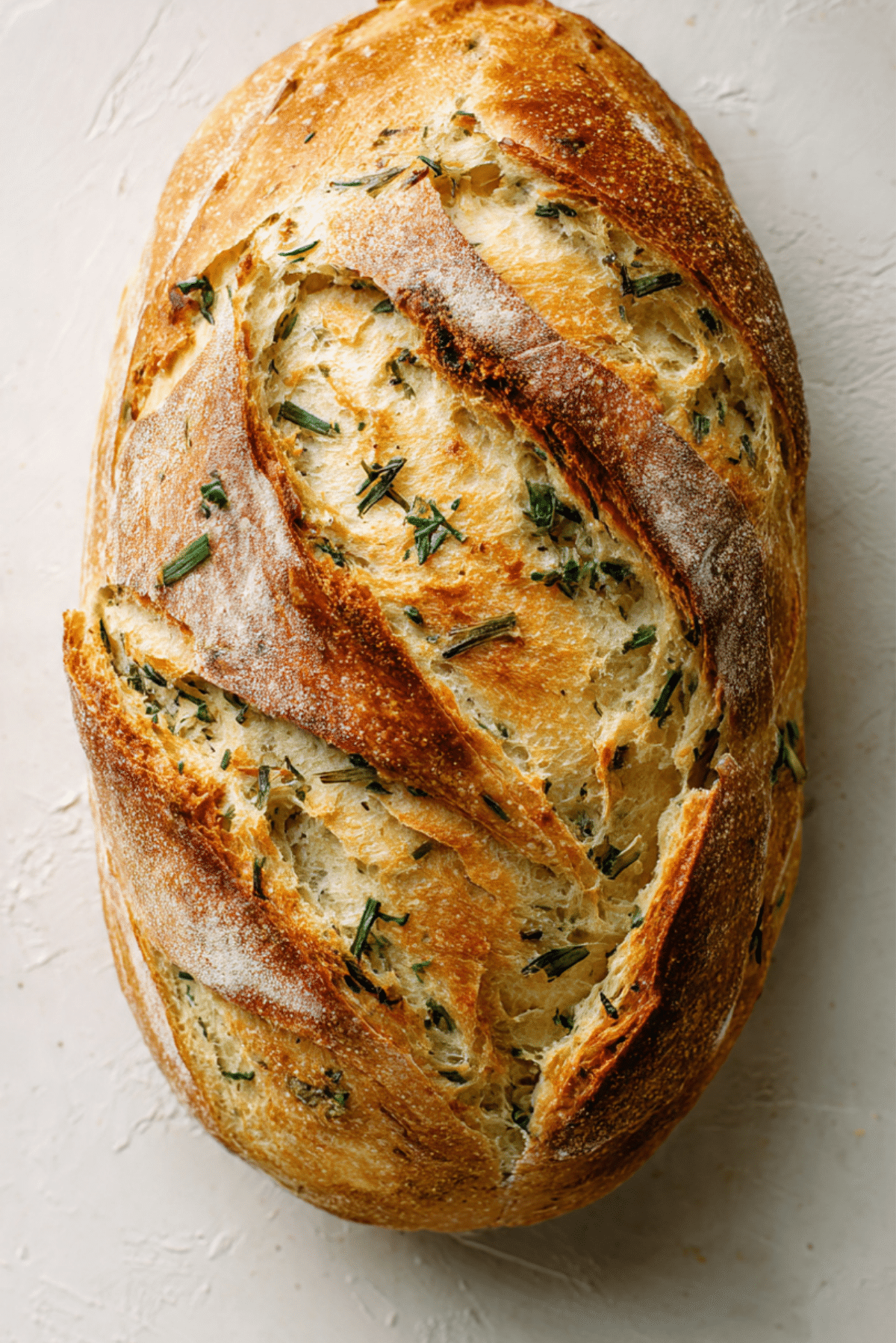
Baking this bread feels like slowing down on purpose. The dough comes together simply, yet the final result tastes like something from a small countryside bakery. The golden crust, speckled with fresh herbs, hides a soft and airy crumb inside. Each slice carries a gentle herbal aroma that makes even plain butter taste like a treat. This one’s a total game-changer for weeknight dinners or relaxed weekend lunches.
A Rustic Tradition Rooted in Simple Ingredients
Herb breads have long been part of Mediterranean and European kitchens, where fresh herbs grow easily in small garden patches. Families would knead herbs directly into their daily bread dough, adding flavor without extra cost. It was practical, fragrant, and deeply satisfying. Over time, this simple idea became a beloved staple, served alongside soups, stews, and olive oil for dipping. Let me tell you, it’s worth every bite.
Reasons You Can Rely on This Bread Every Time
This loaf has become one of my most dependable bakes, and here is why it earns a permanent place in your kitchen.
Versatile: It pairs beautifully with soups, salads, roasted vegetables, or simply a swipe of salted butter.
Budget-Friendly: Basic pantry staples and a handful of fresh herbs turn into something that tastes bakery worthy.
Quick and Easy: The steps are straightforward, and most of the time is hands off while the dough rises.
Customizable: You can mix and match herbs depending on what you have growing or tucked in your fridge.
Crowd-Pleasing: The aroma alone draws people into the kitchen, and the flavor keeps them reaching for another slice.
Make-Ahead Friendly: The dough can rise in the refrigerator overnight for even deeper flavor.
Great for Leftovers: Toast it the next day for sandwiches or crunchy croutons.
Insider Secrets for Bakery Style Results
Before we begin mixing, let me share a few small tricks that make a big difference.
- Use warm water, not hot, around 43°C, so the yeast activates without being damaged.
- Finely chop the herbs to distribute flavor evenly through the dough.
- Allow the dough to rise fully until doubled in size, patience creates better texture.
- Slash the top lightly before baking so the bread expands beautifully in the oven.
Kitchen Tools That Make the Process Smooth
A few simple tools help this bread come together effortlessly.
Large Mixing Bowl: Gives the dough space to expand and makes mixing easier.
Wooden Spoon or Dough Whisk: Helps combine ingredients before kneading.
Baking Sheet or Loaf Pan: Supports the bread as it bakes and shapes the final form.
Kitchen Towel: Covers the dough during rising to keep it warm and protected.
The Ingredients That Bring It All Together
The beauty of this bread lies in how humble ingredients transform into something extraordinary.
- All Purpose Flour: 3 ½ cups, about 440 grams. Provides structure and creates that soft yet sturdy crumb.
- Warm Water: 1 ¼ cups, about 300 milliliters at 43°C. Activates the yeast and hydrates the flour.
- Active Dry Yeast: 2 ¼ teaspoons, one packet. Helps the bread rise and become airy.
- Olive Oil: 2 tablespoons. Adds moisture and subtle richness.
- Salt: 1 ½ teaspoons. Enhances flavor and balances the herbs.
- Fresh Rosemary: 1 tablespoon, finely chopped. Brings a piney aroma.
- Fresh Thyme: 1 tablespoon, finely chopped. Adds earthy depth.
- Fresh Parsley: 2 tablespoons, finely chopped. Gives freshness and color.
Flexible Swaps If You Need Them
Sometimes you work with what you have, and that is perfectly fine.
Fresh Rosemary: Dried rosemary, use 1 teaspoon.
Fresh Thyme: Dried thyme, use 1 teaspoon.
Parsley: Fresh basil or oregano.
All Purpose Flour: Bread flour for a slightly chewier texture.
Spotlight on the Stars of the Dough
Rosemary: This herb carries a bold, almost pine like fragrance that stands up beautifully to baking.
Olive Oil: It keeps the crumb tender and adds a gentle fruity note that ties the herbs together.
Let’s Bake This Beauty Together
Now let’s dive into the heart of the process and turn these ingredients into something unforgettable.
- Preheat Your Equipment: Preheat your oven to 190°C and lightly grease a baking sheet or loaf pan.
- Combine Ingredients: In a large bowl, mix warm water and yeast. Let sit for 5 minutes until foamy. Stir in olive oil, salt, chopped rosemary, thyme, and parsley. Gradually add flour, mixing until a soft dough forms.
- Prepare Your Cooking Vessel: Transfer the dough onto a lightly floured surface and knead for 8 to 10 minutes until smooth and elastic.
- Assemble the Dish: Shape the dough into a round loaf or place into a loaf pan. Cover with a towel and let rise in a warm place for 45 to 60 minutes until doubled.
- Cook to Perfection: Slash the top gently with a knife. Bake for 30 to 35 minutes until golden brown and the loaf sounds hollow when tapped.
- Finishing Touches: Remove from the oven and let cool on a rack for at least 15 minutes.
- Serve and Enjoy: Slice and serve warm, perhaps with butter or a drizzle of olive oil.
The Texture and Flavor Journey
As it bakes, the crust turns deeply golden and slightly crisp, while the inside stays tender and airy. The herbs release their oils into the dough, creating layers of aroma that unfold with each bite. You get a gentle chew from the crust and a soft, fluffy interior that melts in your mouth.
Helpful Baking Tips for Success
A few gentle reminders can make your baking day even smoother.
- Do not rush the rise, proper fermentation improves flavor.
- If the dough feels sticky, add flour one tablespoon at a time.
- Let the bread cool slightly before slicing to keep the crumb intact.
Common Mistakes and How to Avoid Them
Even simple bread can have small challenges, but they are easy to fix.
- Using water that is too hot, which can deactivate yeast, always check the temperature.
- Skipping kneading, which leads to dense texture, knead until elastic.
- Cutting too soon, which makes the bread gummy, allow proper cooling time.
Nutritional Snapshot Per Slice
Servings: 12 slices
Calories per serving: 160
Note: These are approximate values.
Time Commitment at a Glance
Prep Time: 15 minutes
Cook Time: 35 minutes
Total Time: 50 minutes
Planning Ahead and Storing Properly
You can prepare the dough the night before and let it rise slowly in the refrigerator. Once baked, store the loaf in an airtight container at room temperature for up to 3 days. It also freezes well for up to 2 months. Reheat slices in the oven at 170°C for a few minutes to refresh the crust.
Serving Ideas to Make It Shine
Serve thick slices alongside tomato soup, use it for grilled vegetable sandwiches, or toast it and rub lightly with garlic for a simple appetizer. It also makes a beautiful base for bruschetta.
Creative Ways to Use Leftovers
Turn stale slices into crunchy herb croutons. Cube and toast them for stuffing. Or blend into breadcrumbs for coating vegetables.
Extra Tips for Even Better Flavor
Add a sprinkle of flaky salt on top before baking for added crunch. Brush the crust lightly with olive oil right after baking for extra shine and softness.
Turning Your Loaf into a Table Centerpiece
Place the bread on a wooden board with small bowls of olive oil and herbs. Slice partially but keep the loaf intact for a rustic presentation that invites everyone to gather around.
Flavor Variations to Explore
Add grated parmesan for a savory twist. Mix in roasted garlic for deeper flavor. Incorporate sun dried tomatoes for sweetness. Sprinkle sesame seeds on top for added texture.
FAQ’s
Q1: Can I use dried herbs instead of fresh?
Yes, reduce the quantity to about one third since dried herbs are more concentrated.
Q2: Why did my bread turn out dense?
It may not have risen long enough or needed more kneading.
Q3: Can I make this without olive oil?
You can substitute with another neutral oil, though flavor will vary slightly.
Q4: How do I know when it is fully baked?
Tap the bottom, it should sound hollow.
Q5: Can I double the recipe?
Absolutely, just ensure enough space for proper rising.
Q6: Is this bread vegetarian?
Yes, it contains no animal products.
Q7: Can I add cheese?
Yes, fold in about ½ cup shredded cheese for extra richness.
Q8: What if I do not have a loaf pan?
Shape it into a round and bake on a sheet.
Q9: Can I freeze the dough?
Yes, freeze after the first rise and thaw before shaping.
Q10: How long does it stay fresh?
Best within two days, but toasting refreshes it nicely.
Conclusion
There is something deeply satisfying about baking your own bread, especially when it carries the scent of fresh herbs through your kitchen. This loaf is simple, reliable, and full of flavor. Once you try it, you may never look at store bought bread the same way again.
Print
Mixed Herb Bread
- Prep Time: 15 minutes
- Cook Time: 35 minutes
- Total Time: 50 minutes
- Yield: 12 slices 1x
- Category: Bread
- Method: Baking
- Cuisine: Mediterranean
- Diet: Vegan
Description
A golden, rustic mixed herb bread loaf infused with fresh rosemary, thyme, and parsley, featuring a crisp crust and soft airy crumb.
Ingredients
- 3 1/2 cups (440 g) all purpose flour
- 1 1/4 cups (300 ml) warm water at 43°C
- 2 1/4 teaspoons active dry yeast
- 2 tablespoons olive oil
- 1 1/2 teaspoons salt
- 1 tablespoon fresh rosemary, finely chopped
- 1 tablespoon fresh thyme, finely chopped
- 2 tablespoons fresh parsley, finely chopped
Instructions
- Preheat oven to 190°C and lightly grease a baking sheet or loaf pan.
- In a large bowl, combine warm water and yeast. Let sit for 5 minutes until foamy.
- Stir in olive oil, salt, rosemary, thyme, and parsley.
- Gradually add flour and mix until a soft dough forms.
- Knead on a lightly floured surface for 8 to 10 minutes until smooth and elastic.
- Shape into a loaf and place on baking sheet or in loaf pan. Cover and let rise 45 to 60 minutes until doubled.
- Slash the top lightly and bake for 30 to 35 minutes until golden brown and hollow sounding when tapped.
- Cool on a rack for at least 15 minutes before slicing.
Notes
- Use water at the correct temperature to properly activate yeast.
- Allow full rising time for better texture and flavor.
- Store in an airtight container for up to 3 days.
Nutrition
- Serving Size: 1 slice
- Calories: 160
- Sugar: 1 g
- Sodium: 290 mg
- Fat: 3 g
- Saturated Fat: 0.5 g
- Unsaturated Fat: 2.5 g
- Trans Fat: 0 g
- Carbohydrates: 29 g
- Fiber: 1 g
- Protein: 4 g
- Cholesterol: 0 mg
Keywords: mixed herb bread, homemade bread, herb loaf, artisan bread