How to Safely Thaw a Turkey
Picture this: it’s the day before Thanksgiving, and your turkey is still rock solid in the freezer. Panic sets in. But trust me, we’ve all been there. Thawing a turkey might not be the most glamorous part of the holiday feast, but it’s definitely one of the most important. Whether you’re a first-time host or a seasoned pro, learning how to safely thaw a turkey will make all the difference when it comes time to roast that beautiful bird to golden perfection.
Behind the Recipe
Every family has their holiday traditions, and for us, prepping the turkey has always been a full-on event. I remember watching my grandmother pull a massive bird out of the freezer and place it carefully into the fridge days before the big meal. She’d smile and say, “This bird’s going to be a masterpiece.” And you know what? She was always right. Learning the proper way to thaw a turkey became one of those small, behind-the-scenes rituals that made the day feel extra special. Now it’s my turn to pass that down to you.
Recipe Origin or Trivia
Thawing poultry properly is more than just a safety step—it’s rooted in kitchen science. The USDA has long emphasized that thawing a turkey at room temperature is a major no-no because it puts the meat in the “danger zone” where bacteria can grow rapidly. Instead, using the refrigerator or cold water methods ensures your bird stays at a safe temperature throughout the process. These techniques have been shaped over decades of food safety research and have become the gold standard for home cooks across the U.S.
Why You’ll Love How to Safely Thaw a Turkey
Sometimes it’s not just about the flavor, it’s about the process. Here’s why mastering this step will make your holiday smoother.
Versatile:
Whether you’re prepping a small bird or a 20-pound giant, these methods work for all sizes.
Budget-Friendly:
No need for fancy gadgets or specialty products—just patience and basic tools.
Quick and Easy:
The cold water method gives you a safe shortcut when you’re in a pinch.
Customizable:
Choose the thawing method that best fits your timeline and schedule.
Crowd-Pleasing:
Nobody likes undercooked turkey. Safe thawing helps ensure juicy, evenly cooked meat.
Make-Ahead Friendly:
Start days in advance with the fridge method and relax knowing it’s taken care of.
Great for Leftovers:
Proper thawing ensures better texture and moisture in your post-holiday sandwiches.
Chef’s Pro Tips for Perfect Results
If you’re thawing a turkey for the first time or just need a refresher, here are a few insider tricks to keep in mind:
- Plan Ahead: Always check the weight of your turkey and calculate your thaw time in advance.
- Use a Tray: Place your bird in a rimmed baking sheet or roasting pan to catch any drips while thawing in the fridge.
- Don’t Rush the Fridge: Give it a full 24 hours for every 4 to 5 pounds when using the refrigerator method.
- Rotate in Water: When using the cold water method, change the water every 30 minutes to keep it cold and safe.
- Pat Dry Before Roasting: Once thawed, pat the turkey dry with paper towels to get that perfect crispy skin.
Kitchen Tools You’ll Need
There’s no need to overcomplicate things. Here’s all you need for a stress-free thaw.
Refrigerator Space: Make sure you have enough room to fit the turkey on a lower shelf.
Roasting Pan or Baking Tray: Catches any juices and prevents messes.
Plastic Wrap or Foil: Optional, but can help minimize cross-contamination in the fridge.
Large Sink or Bucket: For the cold water method, make sure it’s big enough to fully submerge the bird.
Meat Thermometer: For checking if the bird is fully thawed and later for safe cooking.
Ingredients in How to Safely Thaw a Turkey
Okay, we’re not cooking just yet—but here’s what you’ll need to make this thawing process a success.
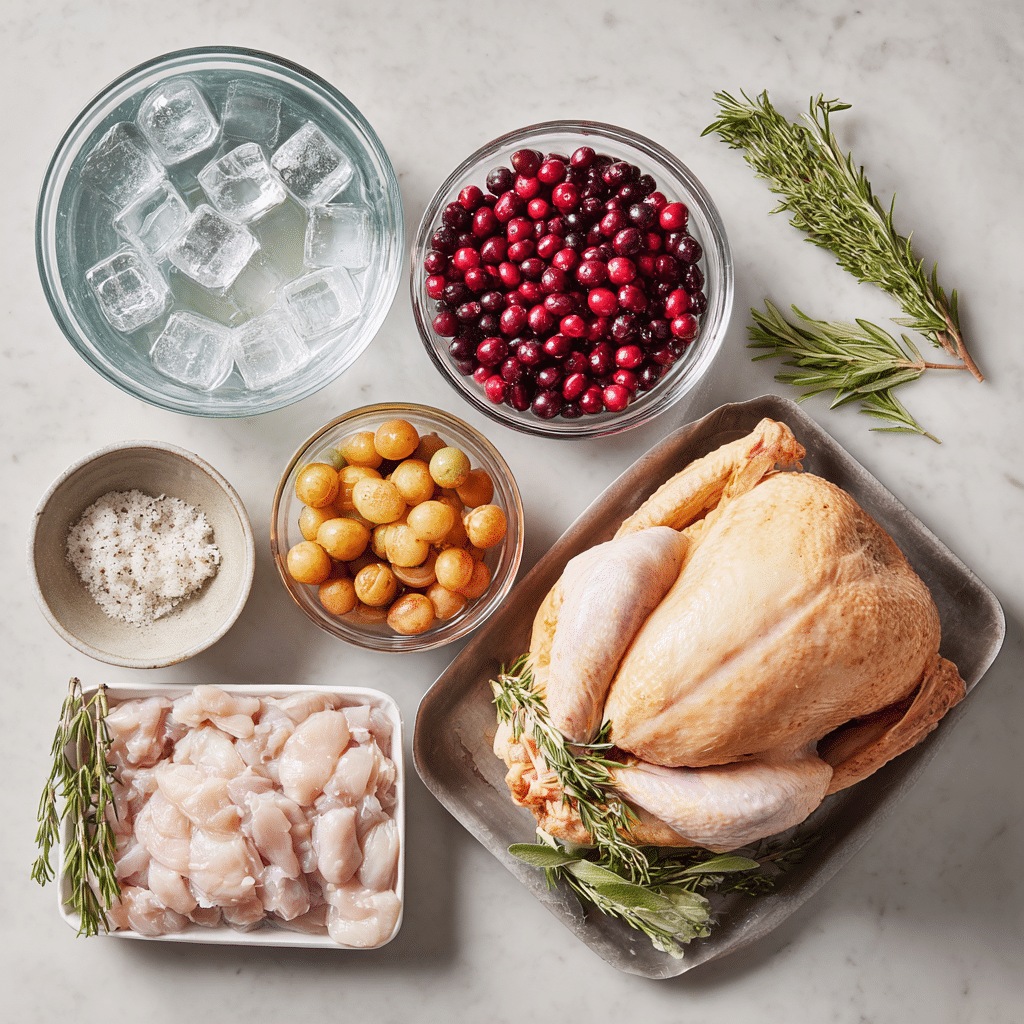
- Frozen Turkey: Any size, but thaw time depends on weight. Be sure to check the label.
- Cold Water: For the quicker thawing method, you’ll need a steady supply of cold tap water.
- Refrigerator: The safest and most foolproof way to thaw.
- Large Pan or Tray: To catch juices and avoid contamination.
Ingredient Substitutions
Sometimes, you’ve got to work with what you’ve got.
Large Sink: A cooler or sanitized tub can work for cold water thawing.
Roasting Pan: A deep baking dish or disposable aluminum tray will do just fine.
Ingredient Spotlight
Frozen Turkey:
The star of the show. Make sure it’s still fully sealed and shows no signs of freezer burn. The better the bird, the better the final result.
Cold Water:
Not just any water—cold water is essential for safety. Warm or hot water can promote bacteria growth, which we want to avoid at all costs.
Instructions for Making How to Safely Thaw a Turkey
This isn’t the kind of step you want to skip or rush. Here’s exactly how to do it, start to finish.
1. Preheat Your Equipment:
No preheating needed, but clear fridge space ahead of time if using the refrigerator method.
2. Combine Ingredients:
No ingredients to combine just yet, but have your tools ready.
3. Prepare Your Cooking Vessel:
Place the frozen turkey on a large tray or in a roasting pan. Keep it in its original packaging.
4. Assemble the Dish:
Set it in the fridge, breast-side up, and allow 24 hours of thawing for every 4 to 5 pounds.
5. Cook to Perfection:
If you’re short on time, use the cold water method. Submerge the turkey (still sealed) in cold water, changing the water every 30 minutes. Allow 30 minutes per pound.
6. Finishing Touches:
Once thawed, remove the packaging, pat dry, and get ready to season or brine.
7. Serve and Enjoy:
You’re now ready to cook a fully thawed, safely handled turkey that’s juicy, tender, and holiday-ready.
Texture & Flavor Secrets
Safe thawing does more than just protect from bacteria—it helps keep the texture firm and moist. Slowly thawing in the fridge allows the meat to reabsorb some moisture, while the cold water method keeps the outer layers from drying out. Both methods lead to better roasting results, giving you a bird that’s flavorful, juicy, and evenly cooked throughout.
Cooking Tips & Tricks
Here are a few more nuggets of wisdom to keep things smooth and stress-free:
- Always check the cavity of the bird after thawing for hidden giblets.
- If you’re planning to dry-brine, start right after thawing for best results.
- Use paper towels, not cloth, to avoid contamination during cleanup.
What to Avoid
Even seasoned cooks can slip up. Here’s what to steer clear of:
- Thawing at room temperature. This can lead to dangerous bacteria growth.
- Forgetting to change water during cold water method. This is key to keeping it cold and safe.
- Leaving it uncovered in the fridge. It could dry out or contaminate other foods.
Nutrition Facts
Servings: 12
Calories per serving: 190
Note: These are approximate values, based on standard portion of turkey breast without skin.
Preparation Time
Prep Time: 5 minutes
Cook Time: 0 minutes (for thawing only)
Total Time: Varies based on method and weight (see steps above)
Make-Ahead and Storage Tips
If you’ve got time, the refrigerator method is the ultimate make-ahead move. You can start thawing up to 5 days in advance, depending on the turkey’s size. Once thawed, it can stay in the fridge for up to 2 days before roasting. Just keep it in its packaging and stored in a pan to catch drips. If using the cold water method, cook the bird immediately after thawing. Never refreeze raw turkey once it’s been thawed.
How to Serve How to Safely Thaw a Turkey
Once safely thawed, your turkey is a blank canvas. Go classic with butter and herbs, try a flavorful dry brine, or stuff it with aromatics like citrus, garlic, and rosemary. Pair with creamy mashed potatoes, roasted veggies, and a big scoop of cranberry sauce for that full holiday spread.
Creative Leftover Transformations
Don’t let a single bite go to waste. Here’s how to reinvent those turkey leftovers:
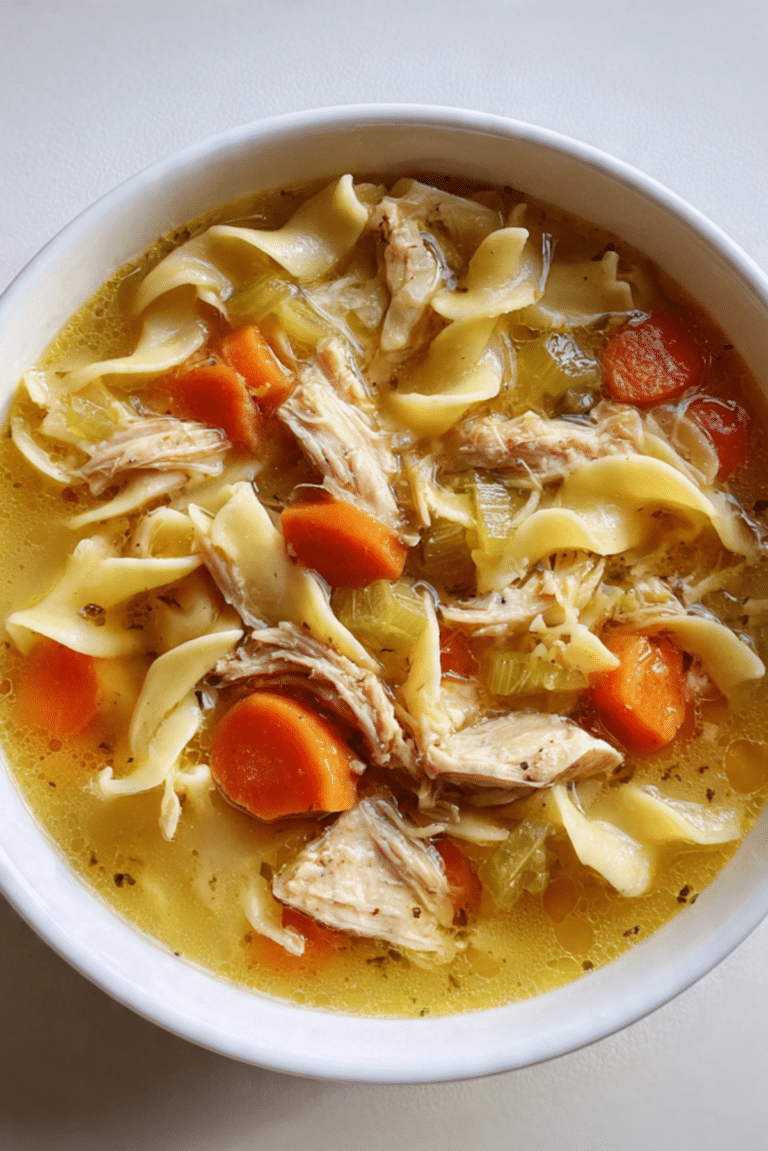
- Make a cozy turkey noodle soup the next day.
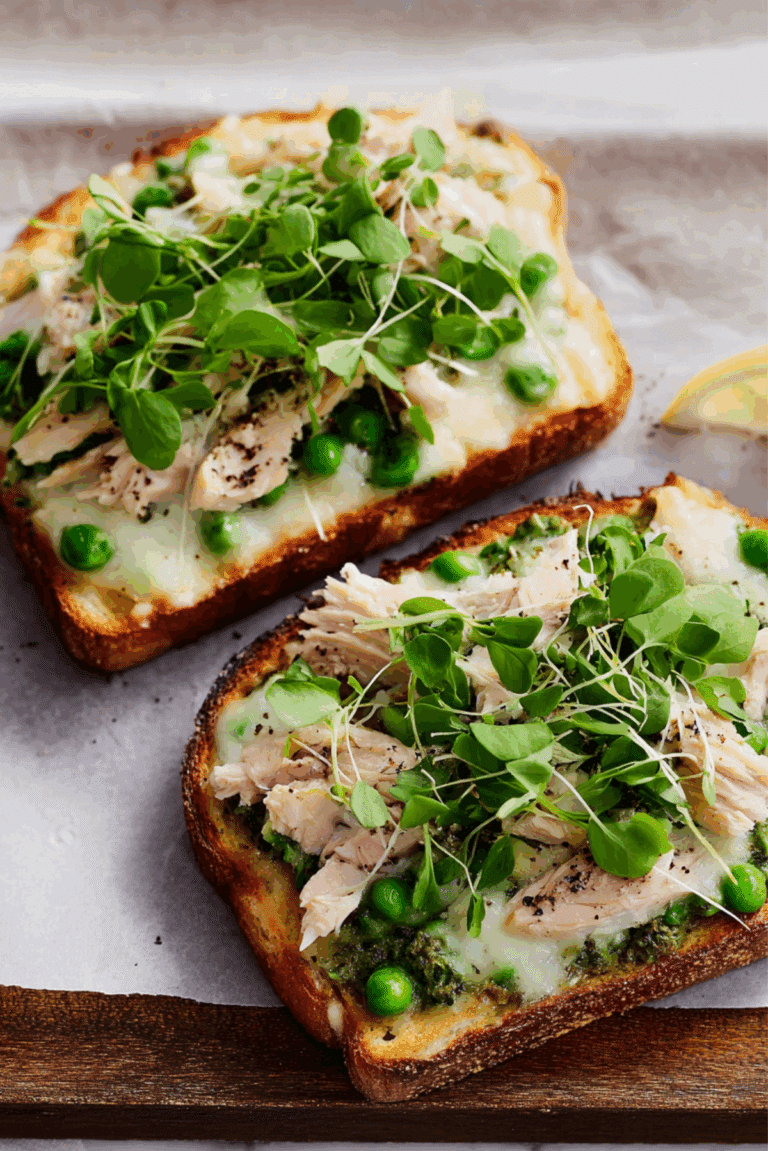
- Toss with mayo, celery, and cranberries for a holiday turkey salad.
- Add it to a cheesy quesadilla or panini with stuffing and gravy.
Additional Tips
- Mark your calendar with your turkey thaw start date to avoid last-minute panic.
- Keep a thermometer handy to double-check that the bird is fully thawed—it should be soft and no ice inside the cavity.
- Always wash your hands and surfaces thoroughly after handling raw poultry.
Make It a Showstopper
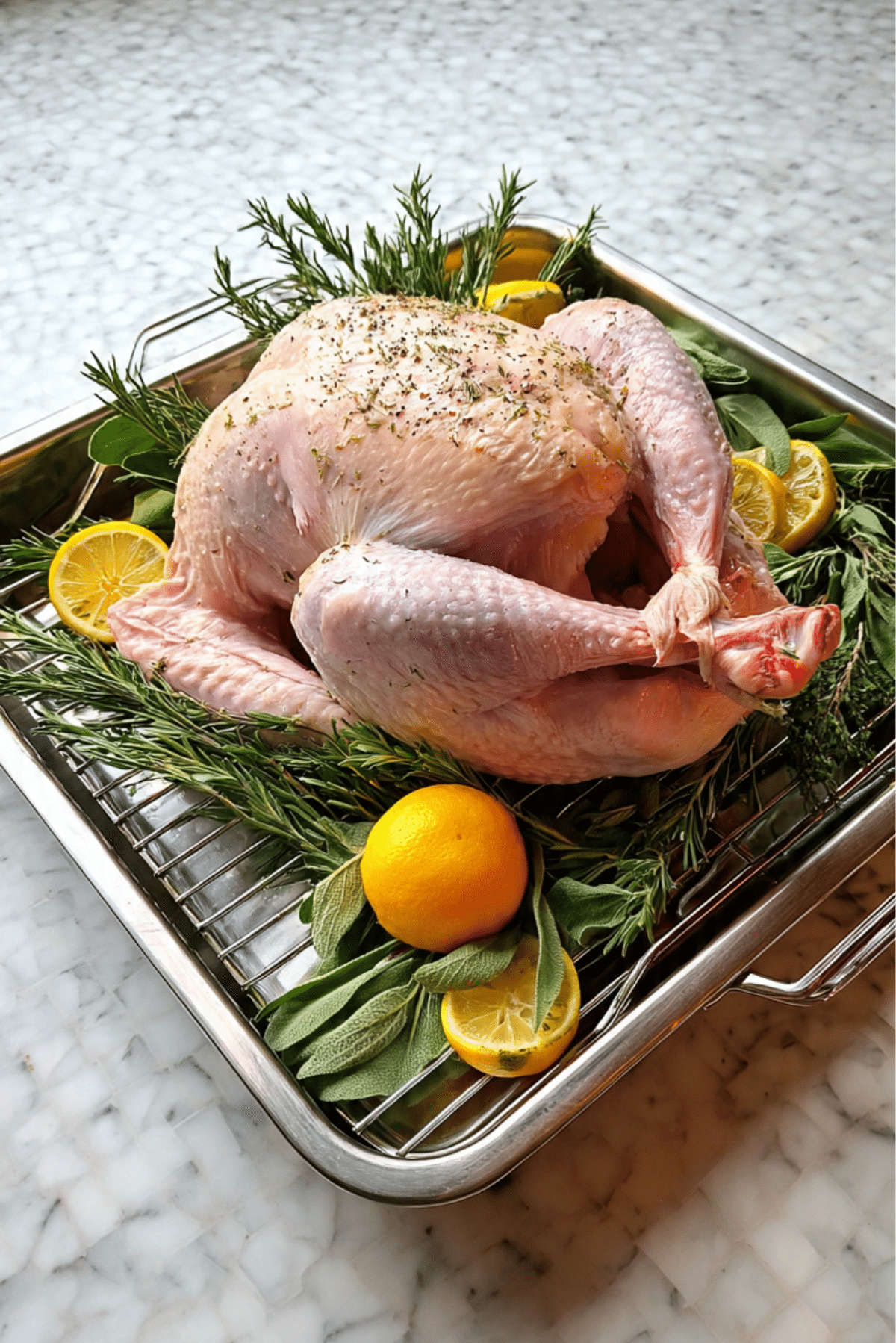
Want your turkey to steal the show? Once thawed, pat it dry completely and let it sit uncovered in the fridge for a few hours. This helps dry the skin, which makes it extra crispy during roasting. Add fresh herbs, citrus slices, and whole garlic cloves inside the cavity for a burst of aroma when it comes out of the oven. Garnish the platter with rosemary sprigs and orange wedges to wow your guests.
Variations to Try
- Spiced Brine: Add warm spices like cinnamon, clove, and star anise to your brine.
- Citrus Dry-Brine: Use lemon and orange zest with kosher salt for a bright twist.
- Garlic Herb Butter Rub: Slather under and over the skin before roasting.
- Maple Glaze Finish: Brush on a mix of maple syrup and butter during the last 30 minutes of roasting.
- Smoked Turkey: Thaw, then smoke low and slow for deep flavor.
FAQ’s
Q1: How long does it take to thaw a 15-pound turkey in the fridge?
A1: It takes about 3 to 4 days in the refrigerator using the 24-hours-per-4-5-pounds rule.
Q2: Can I thaw a turkey in the microwave?
A2: Technically yes, but it’s not recommended for large birds. Uneven thawing can lead to food safety issues.
Q3: What if my turkey is still a little frozen on the inside?
A3: As long as it’s mostly thawed, you can start roasting. Just allow for extra cook time.
Q4: Is it safe to refreeze turkey after thawing?
A4: Only if it was thawed in the refrigerator and has not been out at room temperature.
Q5: Can I thaw my turkey on the counter overnight?
A5: No, this can lead to bacteria growth and is not safe.
Q6: How do I know the turkey is fully thawed?
A6: Check that the legs move freely and no ice remains inside the cavity.
Q7: What if I forgot to thaw my turkey?
A7: Roast it from frozen, adding 50 percent more cooking time. It won’t be as juicy but still safe.
Q8: How often should I change the water during cold water thawing?
A8: Every 30 minutes to keep the water cold and bacteria-free.
Q9: Can I thaw a turkey in a cooler with ice?
A9: Yes, if you monitor the temperature to stay below 40°F throughout.
Q10: Does thawing affect turkey flavor?
A10: When done correctly, thawing keeps flavor and moisture intact.
Conclusion
Thawing your turkey might not be the most exciting part of holiday prep, but it’s absolutely one of the most essential. With these tips, you’ll avoid last-minute stress and guarantee a delicious, juicy bird that’s ready to shine on your holiday table. Take it from me—master this one step, and you’re halfway to a Thanksgiving meal everyone will remember. Trust me, it’s worth every minute.
Print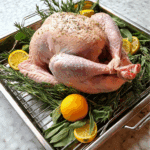
How to Safely Thaw a Turkey
- Prep Time: 5 minutes
- Cook Time: 0 minutes
- Total Time: Varies by method and weight
- Yield: 12 servings 1x
- Category: How-To
- Method: Thawing
- Cuisine: American
- Diet: Halal
Description
Learn how to safely thaw a turkey using refrigerator or cold water methods to ensure a juicy, fully cooked bird. Avoid common mistakes and get ready for a stress-free holiday feast.
Ingredients
- 1 Frozen Turkey (any size)
- Cold Water (for cold water method)
- Refrigerator (for fridge method)
- Large Pan or Tray (to catch drips)
Instructions
- Clear space in your refrigerator or prepare a clean sink or tub if using the cold water method.
- Place the frozen turkey on a tray or roasting pan to catch any drips if using the fridge method.
- Thaw in the refrigerator for 24 hours per 4 to 5 pounds of turkey.
- If using the cold water method, submerge the sealed turkey in cold water.
- Change the cold water every 30 minutes to keep it at a safe temperature.
- Allow 30 minutes per pound for the cold water method.
- Once thawed, pat the turkey dry and prepare for seasoning or roasting.
Notes
- Always plan ahead based on your turkey’s weight.
- Do not thaw turkey at room temperature to avoid bacteria growth.
- Cook immediately after using the cold water method.
- Keep a meat thermometer on hand to ensure the bird is fully thawed and safe to cook.
Nutrition
- Serving Size: 1 portion
- Calories: 190
- Sugar: 0g
- Sodium: 60mg
- Fat: 8g
- Saturated Fat: 2g
- Unsaturated Fat: 5g
- Trans Fat: 0g
- Carbohydrates: 0g
- Fiber: 0g
- Protein: 28g
- Cholesterol: 85mg
Keywords: how to thaw turkey, turkey thawing guide, thanksgiving turkey prep, cold water thaw turkey, refrigerator thawing method